
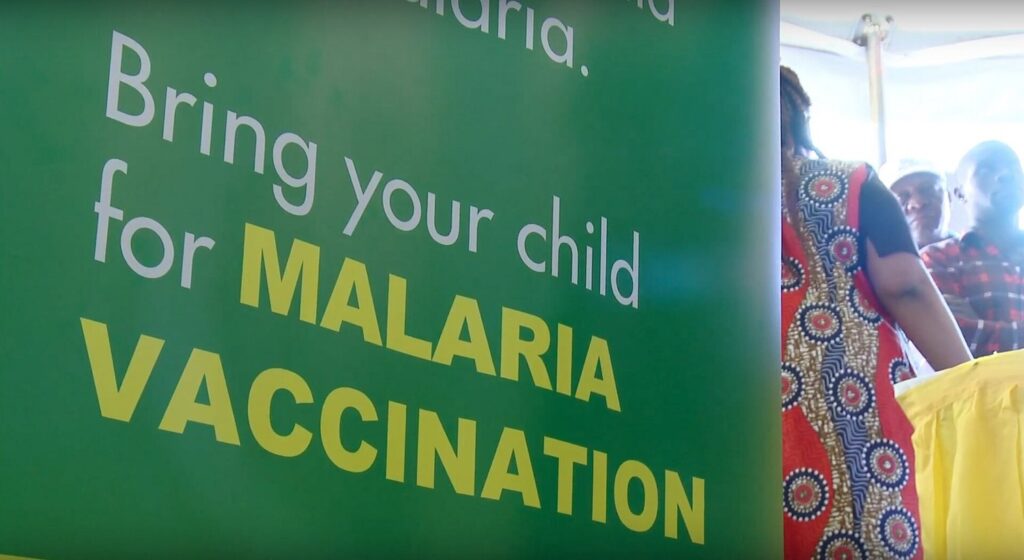
Gavi restores malaria vaccine funding with $214 million grant
Gavi, the Vaccine Alliance, said on Friday it will restore malaria vaccine funding for African countries, using a grant of up to US$214 million. The money should let Gavi again cover up to 85% of assessed need in areas of moderate and high transmission, reversing a cut made earlier this year.
The grant comes from GiveWell, a charity evaluator and grantmaker. It is funded by Coefficient Giving through its commitment to grants directed by GiveWell. However, the plan still needs approval from the Gavi Board at its meeting in December.
Why Gavi cut malaria vaccine funding
Gavi helps the world’s poorest countries buy vaccines, and those countries also co-finance their doses. After the alliance fell short of its fundraising target, it lowered its planned support for malaria vaccination from 85% to 70% for its current strategic period, which runs to 2030. According to Reuters, the lower cap applied to areas ordering the shots for the first time.
The decision worried health officials. “This created a lot of anxiety; many ministers called,” Gavi chief executive Sania Nishtar told Reuters. “So we went out looking for money so we didn’t have to downgrade it.”
With the new grant, Nishtar said, countries will not have to scale back their programmes. In fact, countries are now making their final choices on the size and design of their malaria vaccine programmes for the period to 2030.
Strong demand for the malaria vaccine
The announcement came with new data from the Sabin Vaccine Institute. It looked at countries with at least one year of rollout experience by the end of 2025. In those areas, first-dose coverage reached 80% on average, while third-dose coverage stood at 70%.
Nishtar said the high coverage showed “the high demand from communities for this powerful new tool.” Still, full protection requires four doses, with the last one given in a child’s second year of life. As a result, Gavi says delivering all four doses consistently remains a key challenge.
Experts also report early signs of impact. “We are seeing a sharp decline in malaria cases, and mothers are witnessing that,” Eric Nebie, who heads PATH’s malaria vaccine implementation programme, told Reuters. PATH supports countries such as Uganda and Burkina Faso in introducing the shot.
A fast rollout against a deadly disease
Gavi-supported malaria vaccines were first introduced in 2024. Since then, they have become part of routine immunisation in 25 African countries. Together, these countries carry more than 70% of the global malaria burden. Gavi calls it one of the fastest routine vaccine rollouts in its history.
The stakes are high. In 2024, there were an estimated 282 million malaria cases and 610,000 deaths worldwide, according to figures cited by Gavi. Up to 95% of both occurred in Africa, and around 74% of the deaths were among children under five.
Gavi’s goal is to fully protect 50 million children between 2026 and 2030. To get there, it says countries will need to increase domestic spending on immunisation. Meanwhile, Gavi and its partners are working to make vaccine products more affordable.
The funding news comes as other health emergencies stretch African health systems, including the Ebola outbreak in Congo.